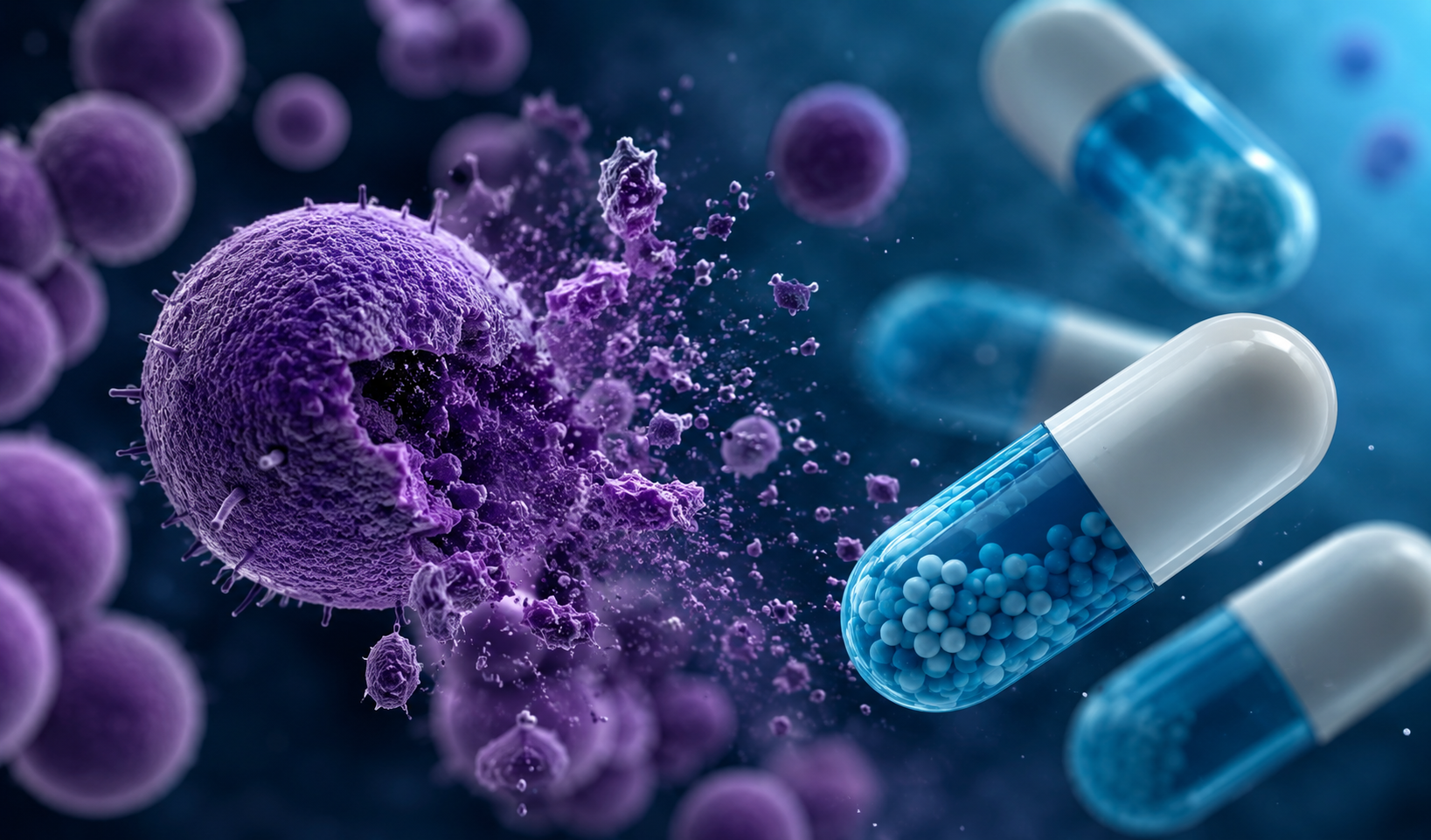
A widely prescribed blood pressure medication may soon become an unexpected weapon against one of the world’s most dangerous antibiotic-resistant bacteria. Researchers have discovered that candesartan cilexetil, a drug commonly used to treat hypertension and heart failure, shows powerful activity against methicillin-resistant Staphylococcus aureus (MRSA) — a deadly “superbug” responsible for thousands of severe infections every year.
The breakthrough study, published in Nature Communications, has generated excitement among infectious disease experts because it suggests an existing, inexpensive medicine could potentially be repurposed to fight antibiotic resistance.
Why MRSA Is Such a Dangerous Threat
MRSA is a strain of bacteria that has evolved resistance to many standard antibiotics, making infections difficult and sometimes impossible to treat. The bacteria can cause skin infections, pneumonia, bloodstream infections, and life-threatening complications in hospitalized patients and people with weakened immune systems.
According to researchers cited in the study, MRSA causes more than 70,000 severe infections and approximately 9,000 deaths annually in the United States alone. Globally, antibiotic-resistant infections were linked to more than 1.27 million deaths in 2019.
Scientists have repeatedly warned that antibiotic resistance is becoming one of the greatest public health challenges of the modern era. As bacteria evolve and become resistant to existing drugs, the development of entirely new antibiotics has slowed significantly.
Researchers say the pharmaceutical industry often lacks strong financial incentives to develop antibiotics because these drugs are used cautiously to avoid resistance, reducing long-term profitability.
The Surprising Discovery
The new research was led by scientists at the Houston Methodist Research Institute. During a large-scale screening process involving more than 80,000 compounds, researchers discovered that candesartan cilexetil demonstrated strong activity against MRSA.
Candesartan cilexetil is already widely prescribed to control high blood pressure and reduce the risk of heart complications. Because the drug is already approved for human use, scientists believe the pathway toward clinical testing for infections could potentially be faster than developing a completely new antibiotic from scratch.
Researchers used advanced imaging systems, molecular analysis, and laboratory testing to understand exactly how the medication attacks the bacteria. Their findings revealed that the drug directly damages the bacterial membrane — the protective outer structure that bacteria need to survive.
How the Drug Attacks MRSA
The study showed that candesartan cilexetil physically penetrates the membrane of MRSA bacteria and disrupts its structural integrity.
The bacterial membrane functions like a protective shield and gatekeeper, controlling what enters and leaves the cell. Once the drug damages this barrier, the bacteria begin leaking essential cellular contents, ultimately causing cell death.
Researchers observed visible membrane deformation and severe structural damage in MRSA cells exposed to the drug.
One of the most promising aspects of the discovery is that the drug appears effective not only against actively growing bacteria but also against dormant “persister” cells. These persistent bacterial cells are particularly dangerous because they can survive antibiotic treatment and later trigger recurring infections.
Scientists also found that combining candesartan cilexetil with existing antibiotics produced stronger antibacterial effects at lower doses. In particular, the drug demonstrated synergistic effects when paired with gentamicin, suggesting combination therapies could become an important future strategy against resistant infections.
Success in Animal Studies
Laboratory findings were supported by animal experiments, where the drug significantly reduced bacterial levels in infected mice. These results suggest the treatment may have real-world potential beyond petri dish experiments.
However, researchers caution that human clinical trials are still needed before the drug can be considered a safe and effective treatment for MRSA infections in patients.
Although candesartan cilexetil is already approved for hypertension, the dosage and treatment methods required to fight bacterial infections may differ from standard cardiovascular use. Scientists must also determine whether long-term antibacterial use could create side effects or trigger new resistance mechanisms.
Drug Repurposing Could Accelerate New Treatments
The study highlights the growing importance of “drug repurposing” — the strategy of finding new medical uses for already approved medications.
Drug repurposing has several major advantages:
- Existing safety data may reduce development time
- Manufacturing systems already exist
- Costs are lower compared to entirely new drugs
- Regulatory approval may be faster
Because antibiotic resistance is rising rapidly worldwide, researchers are increasingly exploring nontraditional compounds and approved medicines for hidden antimicrobial properties.
Scientists involved in the study are now developing chemically modified versions of candesartan cilexetil that may become even more effective against MRSA while minimizing possible side effects.
Scientific Community Reacts With Cautious Optimism
The discovery has generated significant interest online and within the scientific community. Discussions on Reddit and science forums highlighted excitement about the possibility of using an already approved drug to combat superbugs. However, many users also emphasized the importance of human clinical trials before celebrating a breakthrough.
Experts frequently note that many experimental antibacterial compounds perform well in laboratory settings but later fail during clinical testing because of toxicity, dosing challenges, or limited effectiveness in humans.
Still, researchers believe the findings are important because they reveal a completely different way to attack bacteria — physically disrupting the membrane instead of targeting traditional bacterial pathways that often develop resistance.
The Global Fight Against Antibiotic Resistance
The World Health Organization and other public health agencies continue to warn that antibiotic resistance could lead to a future where common infections become deadly once again.
Misuse and overuse of antibiotics in healthcare and agriculture have accelerated the rise of resistant bacteria worldwide. Public discussions online frequently highlight concerns about inappropriate antibiotic prescribing and incomplete treatment courses, both of which contribute to resistance development.
Scientists around the world are exploring multiple strategies to combat resistant infections, including:
- AI-designed antibiotics
- Dual-action antimicrobial drugs
- Bacteriophage therapy
- Combination drug treatments
- Repurposed medications
The candesartan cilexetil discovery adds another promising approach to this growing list.
What Happens Next?
Researchers are now seeking partnerships with biotechnology and pharmaceutical companies to move the treatment toward human clinical trials. If successful, the drug could eventually become part of a new generation of therapies designed to combat multidrug-resistant bacterial infections.
While more research is needed, the findings offer hope at a time when the global antibiotic pipeline remains dangerously limited.
A simple blood pressure medicine sitting in pharmacy cabinets worldwide may one day help doctors fight one of humanity’s deadliest superbugs — an unexpected scientific twist that could save countless lives in the future.
References
- Tharmalingam, N., Kovacs, R. W., Scarpa de Mello, S., Baldwin, P. R., Jayanthan, H. S., Arulsamy, K., Rajmuthiah, R., Rossatto, F. C. P., Manz, K. E., DeGiorgis, J. A., Acevedo, O., Gilmore, M. S., Ludtke, S. J., Pennell, K. D., Ausubel, F. M., & Mylonakis, E. (2026). Candesartan cilexetil disrupts methicillin-resistant Staphylococcus aureus membrane and potentiates gentamicin and polymyxin B activity. Nature Communications, 17, 4012. https://doi.org/10.1038/s41467-026-70173-0
- Duncombe, J. (2026). A Common Blood Pressure Medicine Could Help Fight a Deadly Superbug. ScienceAlert. https://www.sciencealert.com/a-common-blood-pressure-medicine-could-help-fight-a-deadly-superbug
- Reddit discussion summarizing the MRSA and candesartan cilexetil findings and public reactions.
- Community discussion on the antibacterial potential of candesartan cilexetil against MRSA.